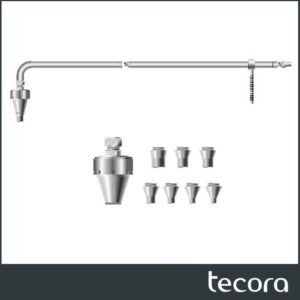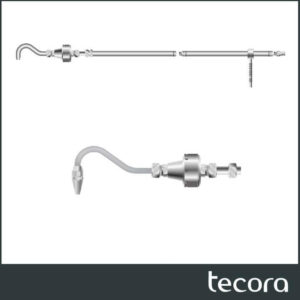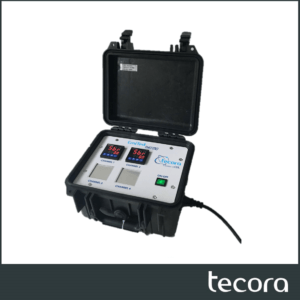
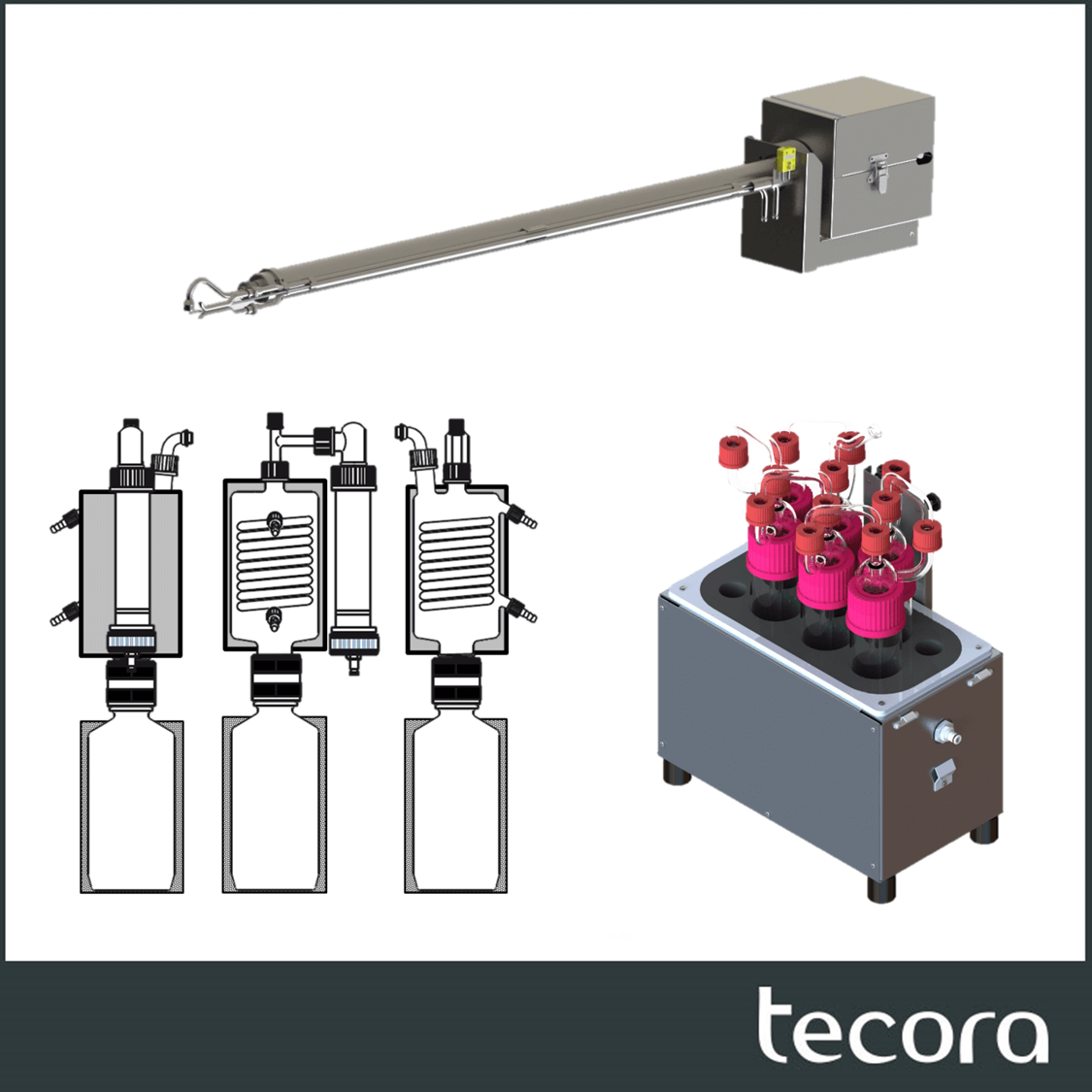
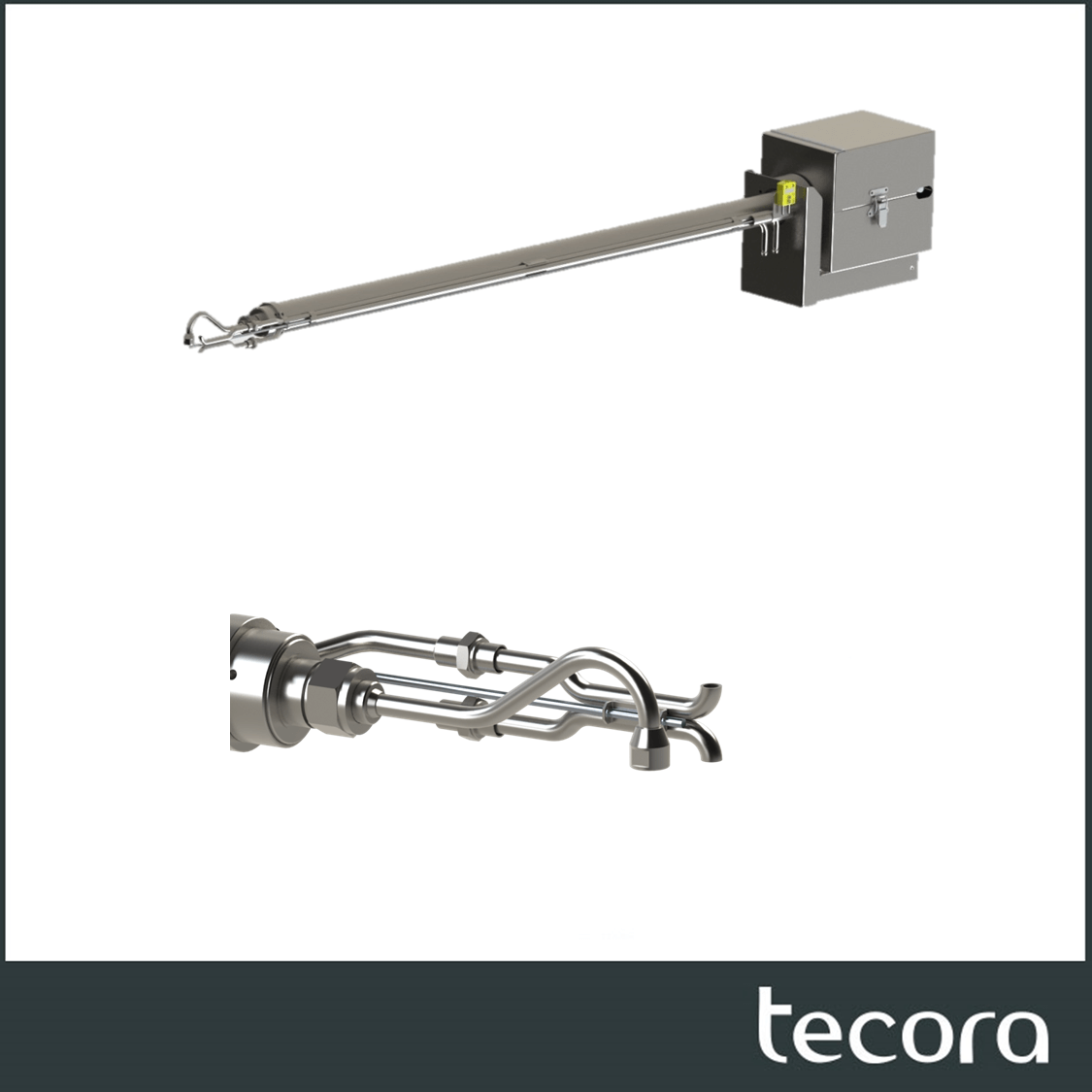
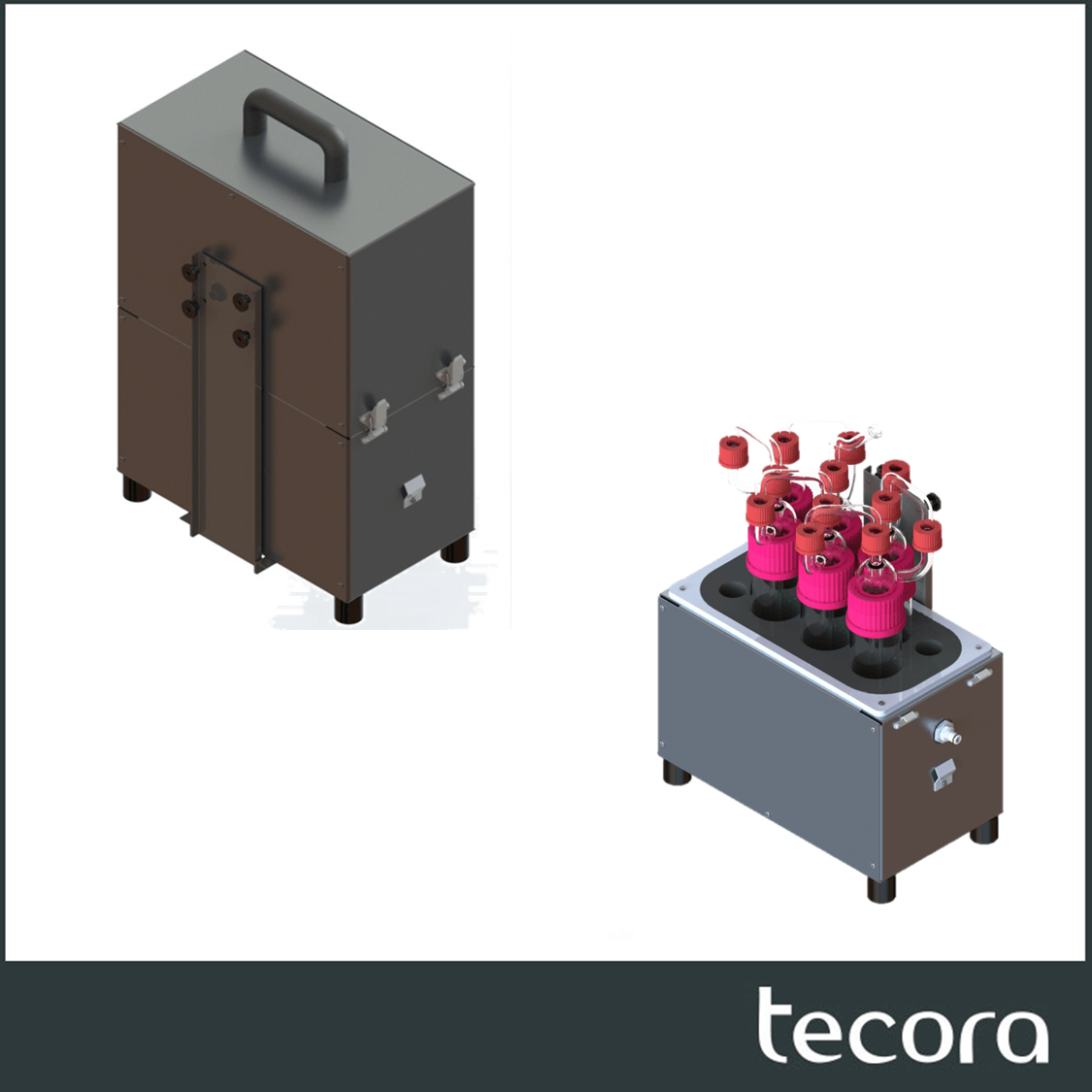
Heated Isokinetic sampling probe – Outstack sampling
General description:
Heated isokinetic sampling probes are deigned for dust measurements in accordance with standard:
– EN 13284-1 “Determination of low range mass concentration of dust – Manual gravimetric method”.
– US EPA M5 “Particulate Matter”.
– ISO9096 “Stationary source emissions – Manual determination of mass concentration of particulate matter”
By using additional accessories, this probes are compatible for sampling like :
1/ Measurement of heavy metals :
– EN14385 “Determination of the total emission of As, Cd, Cr, Co, Cu, Mn, Ni, Pb, Sb, TI and V”.
– EN13211 “Manual method of determination of the concentration of total Mercury”.
– USEPA M26A “Hydrogen Halide and Halogen Isokinectic Method”.
– USEPA M29 “Metals Emissions from Stationary Source”.
2/ Measurement of acids :
– EN1911 “Determination of mass concentration of gaseous chlorides expressed as HCl – Standard reference method”.
– EN14791 “Determination of mass concentration of sulphur oxides SOx – Standard reference method”.
– USEPA M8 “Sulfuric Acid Mist”.
– USEPA M13A “Determination of Total Fluoride Emissions”.
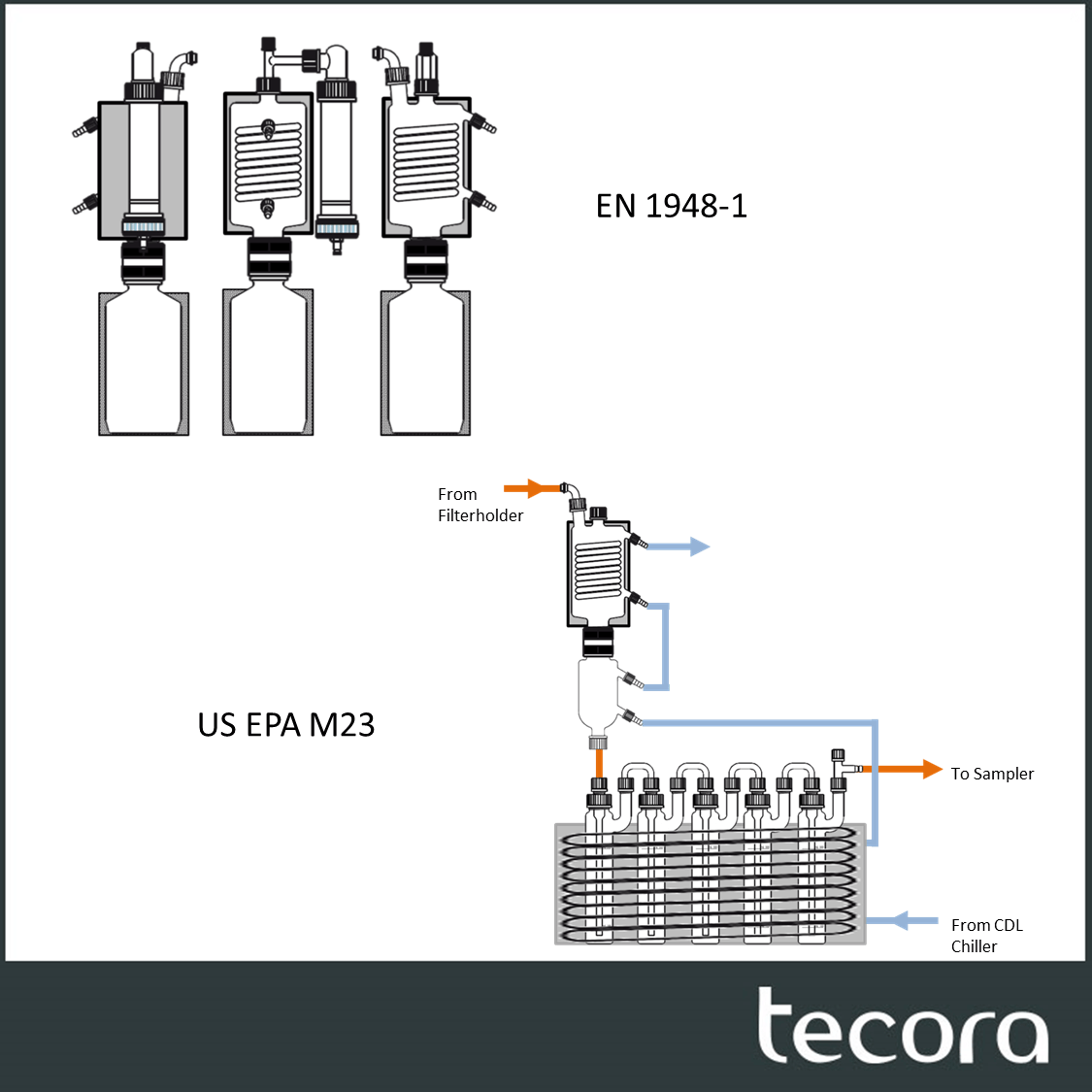
3/ Measurement of PCDD/PCDF, PAH, PCB
– EN1948-1 “Determination of the mass concentration of PCDDs/PCDFs and dioxin-like PCBs”.
– US EPA M23 “Dioxins and Furans”.
Technical description:
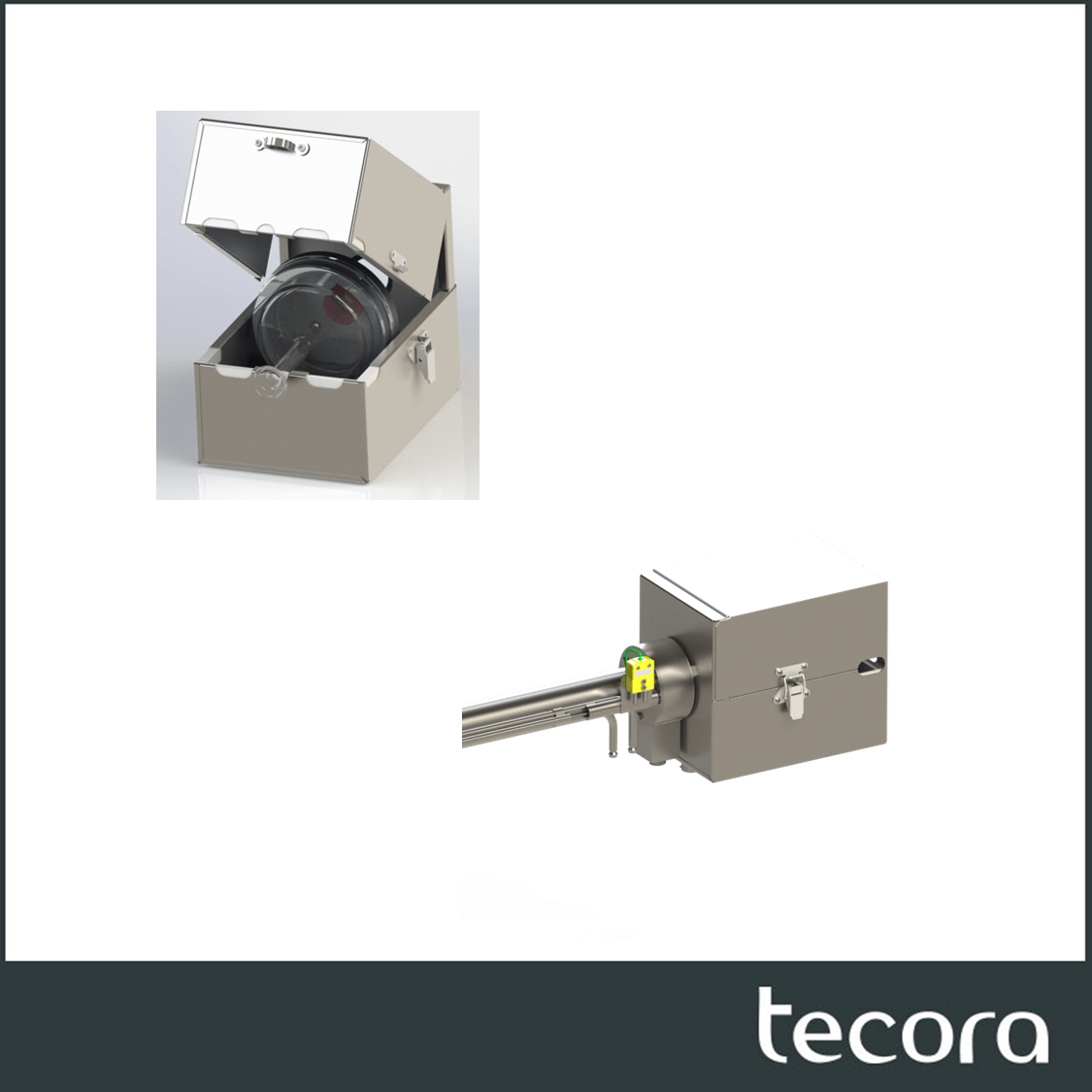
The moisture content in the sampled gases obliges to heat both the probe and the collection
devices.
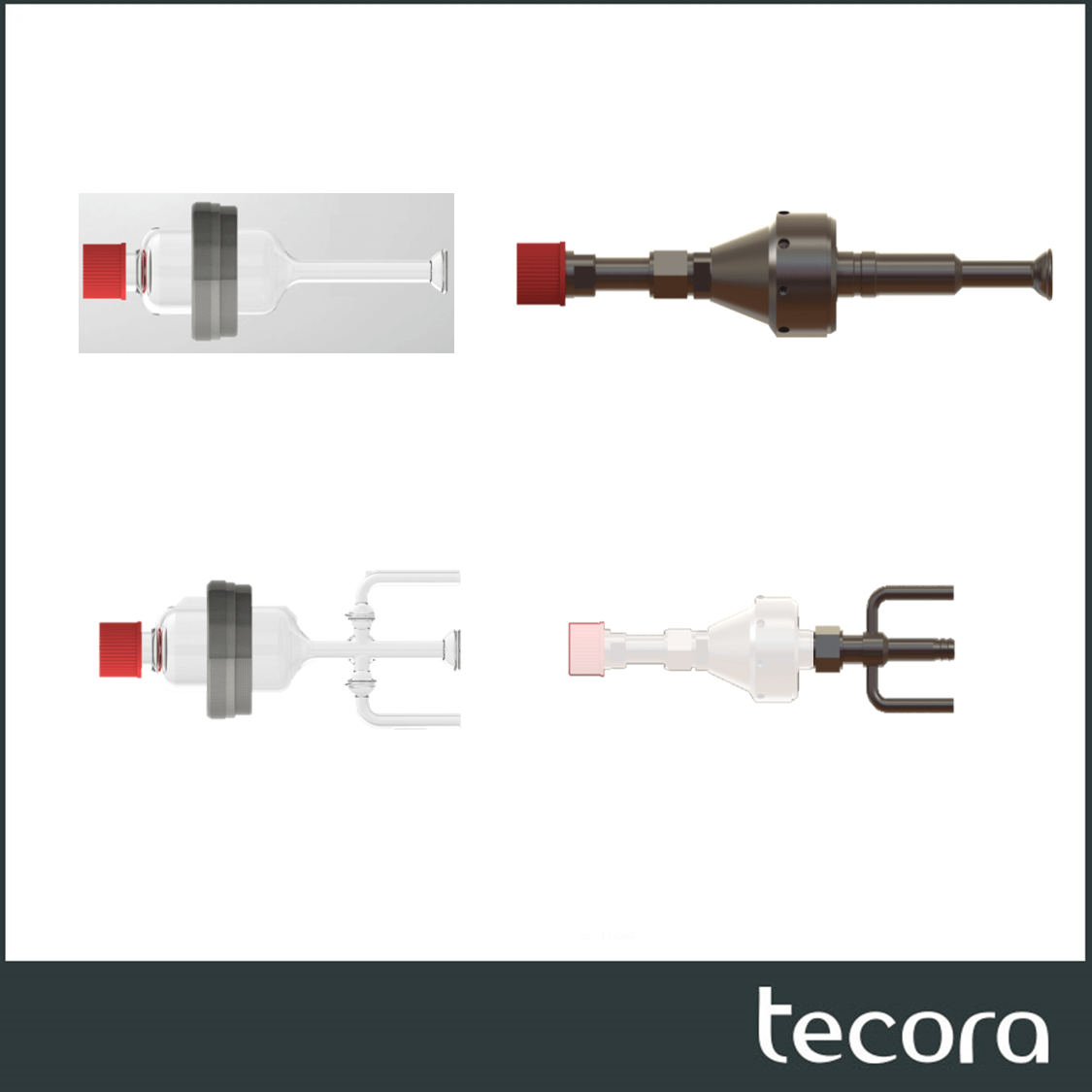
The material ensures resistance to temperature and corrosion caused by aggressive gases.
The materials used for the collection must be compatible with gas composition, to ensure the integrity of the compounds to determine.
To meet these requirements, succion tubes and filterholders are interchangeable and exist in different material.
+331 82 88 92 45 – commercial@tecora.com
Preserve the quality of samples
The presence of moisture in industrial fumes can lead to physical or chemical modifications before the collection of compounds. Under certain conditions, condensation causes material loss or degradation of analytes.
In order to ensure reliable results, the equipment keeps the gases at a suitable temperature throughout the operation. Thus, the risks of alteration are reduced and the representativeness of the analyses is improved.
Areas of application
Control of dust concentrations
The equipment allows the collection of particles present in industrial waste according to the requirements of reference methods dedicated to dust measurement.
Trace metal analysis
Mercury, lead, cadmium, chromium, nickel or arsenic may be collected under conditions compatible with the protocols used by specialized laboratories.
Monitoring of acidic compounds
Measurement campaigns targeting hydrogen chloride, sulfur dioxide or other corrosive species benefit from optimal control of the sampling parameters.
Sampling of persistent organic pollutants
Dioxins, furans, PCBs and polycyclic aromatic hydrocarbons require special attention when collecting them. The thermal control of the system helps to limit potential losses and preserve the integrity of the compounds.
Design adapted to industrial environments
Efficient thermal management
The entire circuit is designed to limit the appearance of condensates and ensure the stability of sampling conditions.
Resistance to aggressive environments
The selected materials offer excellent resistance to high temperatures and corrosive gases encountered in many industrial processes.
Modular architecture
Each configuration can be adjusted according to measurement objectives, site constraints or the requirements of the applied method.
Compatibility with different materials
The elements in contact with gases can be chosen according to the chemical nature of the substances sought in order to preserve their integrity until analysis.
Compliance with reference methods
This solution meets the requirements of the main standards used in the control of industrial atmospheric emissions.
Measurement of particles
- EN 13284-1
- ISO 9096
- Méthode 5 de l’US EPA
Détermination des métaux lourds
- EN 14385
- EN 13211
- US EPA Method 26A
- Méthode de l’EPA des États-Unis 29
Measurement of acid compounds
- IN 1911
- EN 14791
- US EPA Method 8
- US EPA Method 13A
Dioxins and furans
- IN 1948-1
- EPA Method 23
Key benefits
- Reducing the risks associated with condensation
- Preservation of the analyzed compounds
- Adaptation to multiple measurement protocols
- High chemical compatibility of the components
- Customizable configuration according to the applications
- Use on a wide range of pollutants
- Increased reliability of analytical results
- Adaptation to demanding industrial environments
Sectors concerned
This solution is used in many industrial fields requiring rigorous monitoring of atmospheric emissions:
Incineration plants
Power generation plants
Cement plants
Chemical industry
Steel industry
Metallurgy
Combustion plants
Environmental laboratories
Inspection and control bodies
A solution designed for regulatory measures
The quality of a sampling depends as much on the conditions of collection as on the compatibility of the materials used. This is why each configuration can be adapted to the analytical constraints, the characteristics of the fumes and the requirements of the reference methods.
Combined with the appropriate accessories, this equipment is a reliable solution for measurement campaigns aimed at characterizing and monitoring industrial emissions.
[/vc_column_text][/vc_column][/vc_row]
01 82 88 92 45 – commercial@tecora.com
| Marque | CDL-Tecora |
|---|